 Sign in
The World's First App Built For
Already have an account?
A language from every continent on earth
The app for everyone
Your language belongs here. Even the ones other apps forgot.
Oceania
MyFriends
The app built for
Meet people learning their language too. Play a few games. Make a friend. Maybe find a long-lost cousin.
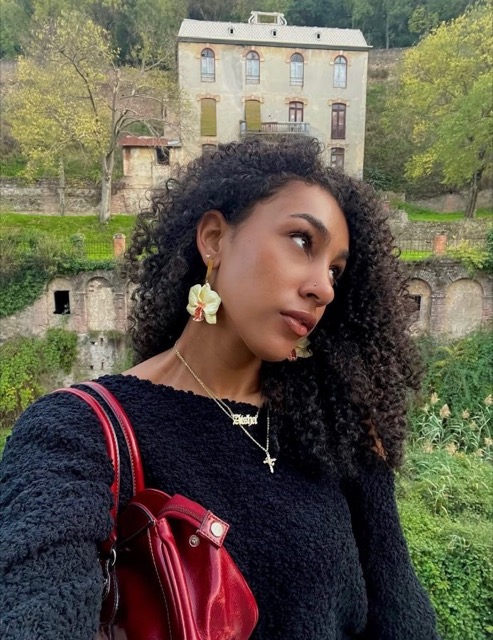
Aisha
I'm in my element when I'm
in the sun
The place I'd take you first is
rio de janeirooo
My most controversial opinion is
you can have fun sober

Ayo
I geek out on
jollof
My most controversial opinion is
nigerians are the best africans
A lucky charm or ritual I still do is
put on a fly outfit
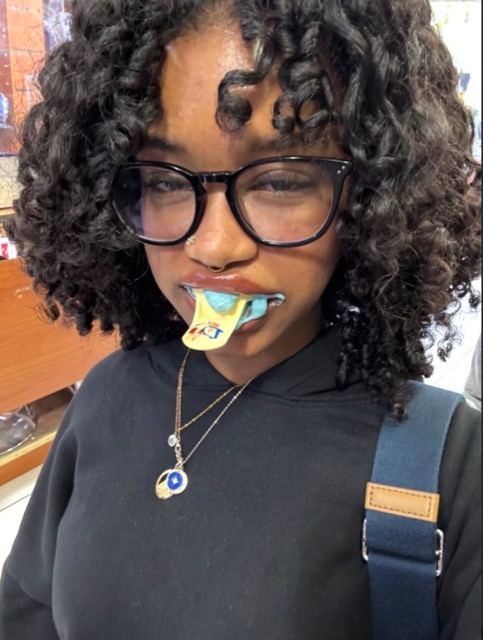
Kami G
If I had a dowry, it would be
an entire beach
I bet you can't
pronounce pão
In my culture, we
doo - cha - cha
Learn my roots
Watch the borders form
Watch history decide where one culture ends and another begins, then redraw the line all over again.
1500s
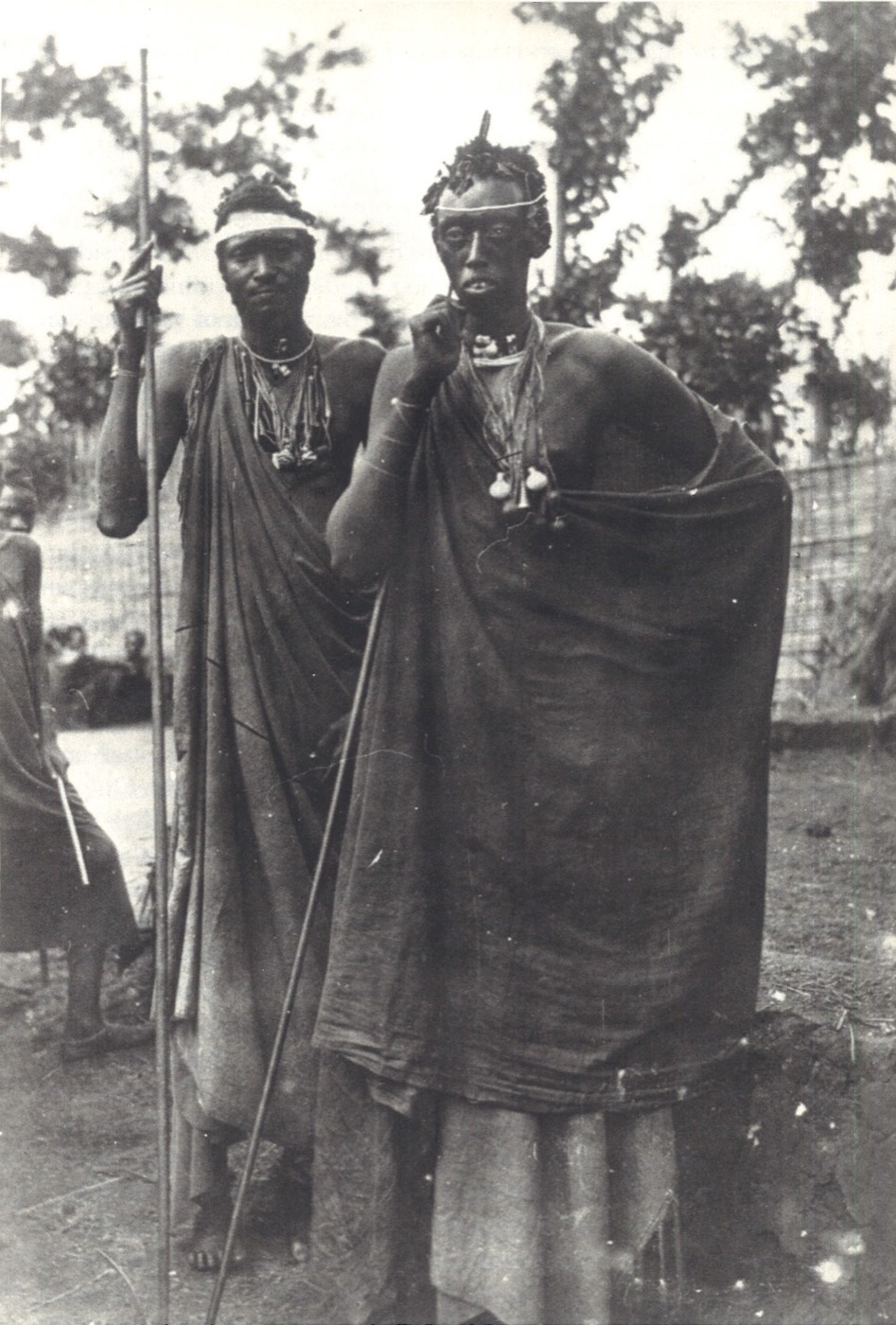
Cattle, water, and mostly no kings
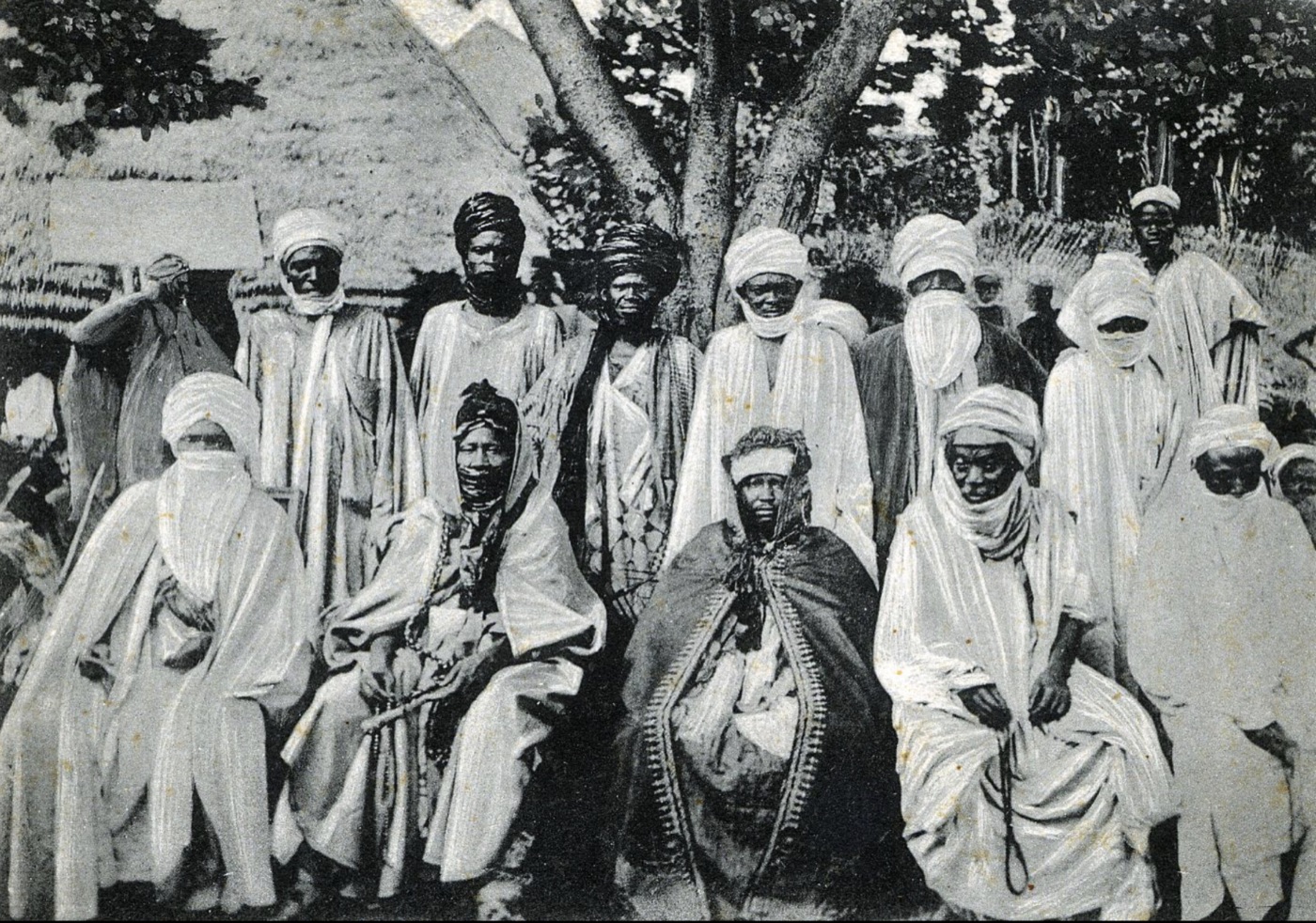
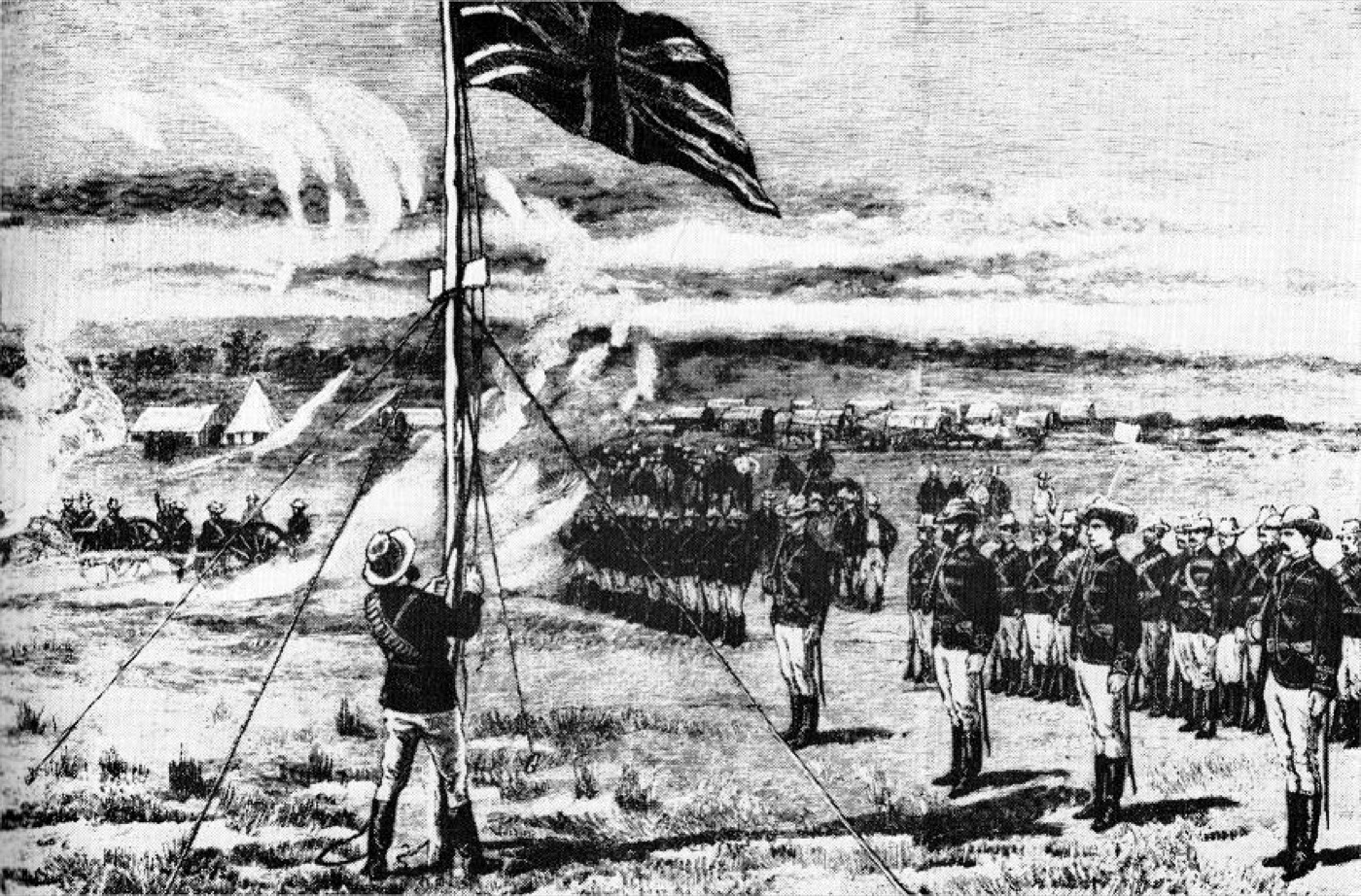
1914
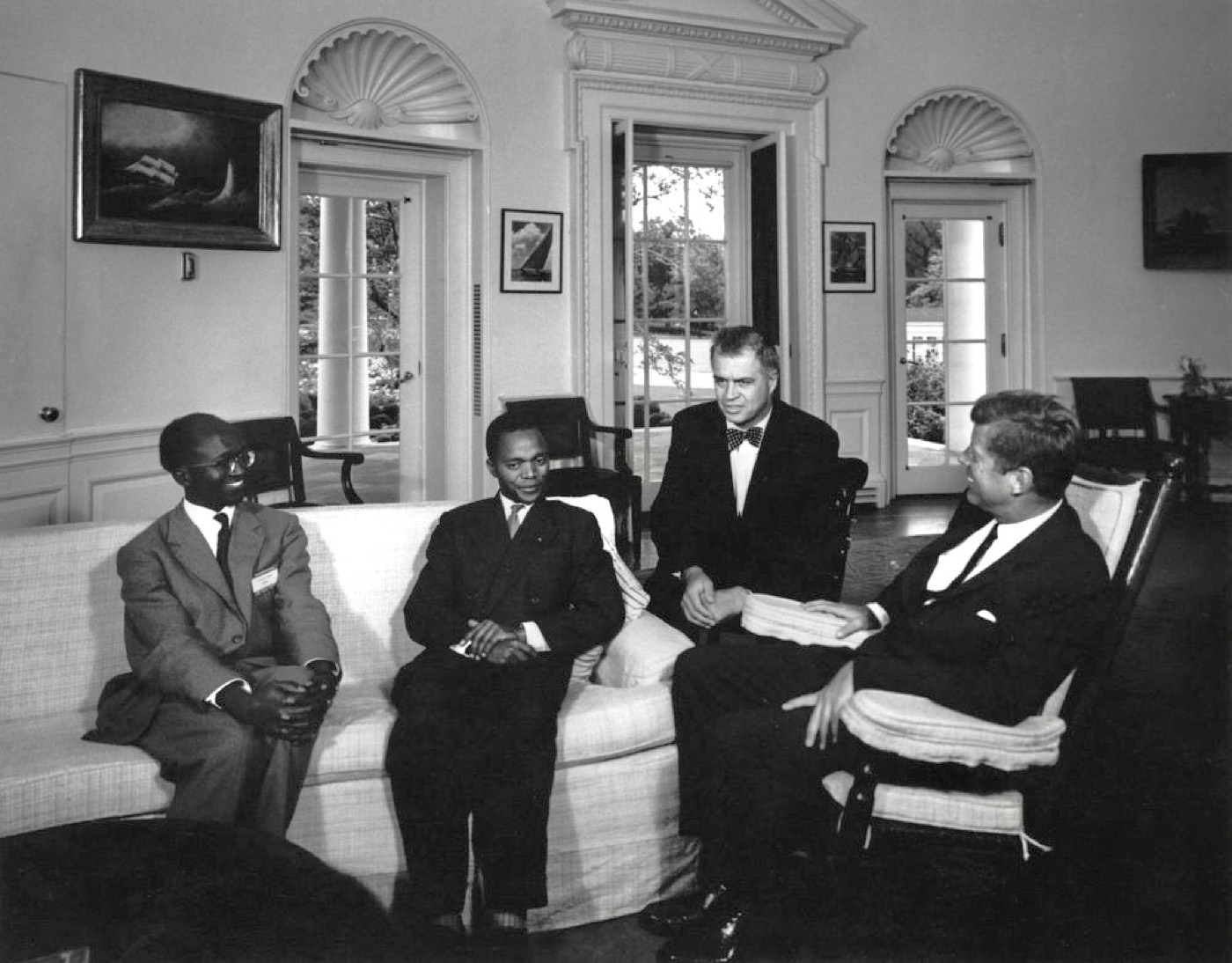
Joined to a south it had not met
Learn your Roots
Grow closer to your language, understand where your family came from and hear their stories differently. Ask Mum and Dad about the parts they remember.
In 1914 the northern protectorate was merged with the south, largely because the north ran at a deficit and the south's revenue could cover it. Christian missions were restricted in the north to keep the emirs cooperative, so Western schooling arrived there decades later than in the south. That gap shaped everything that followed.
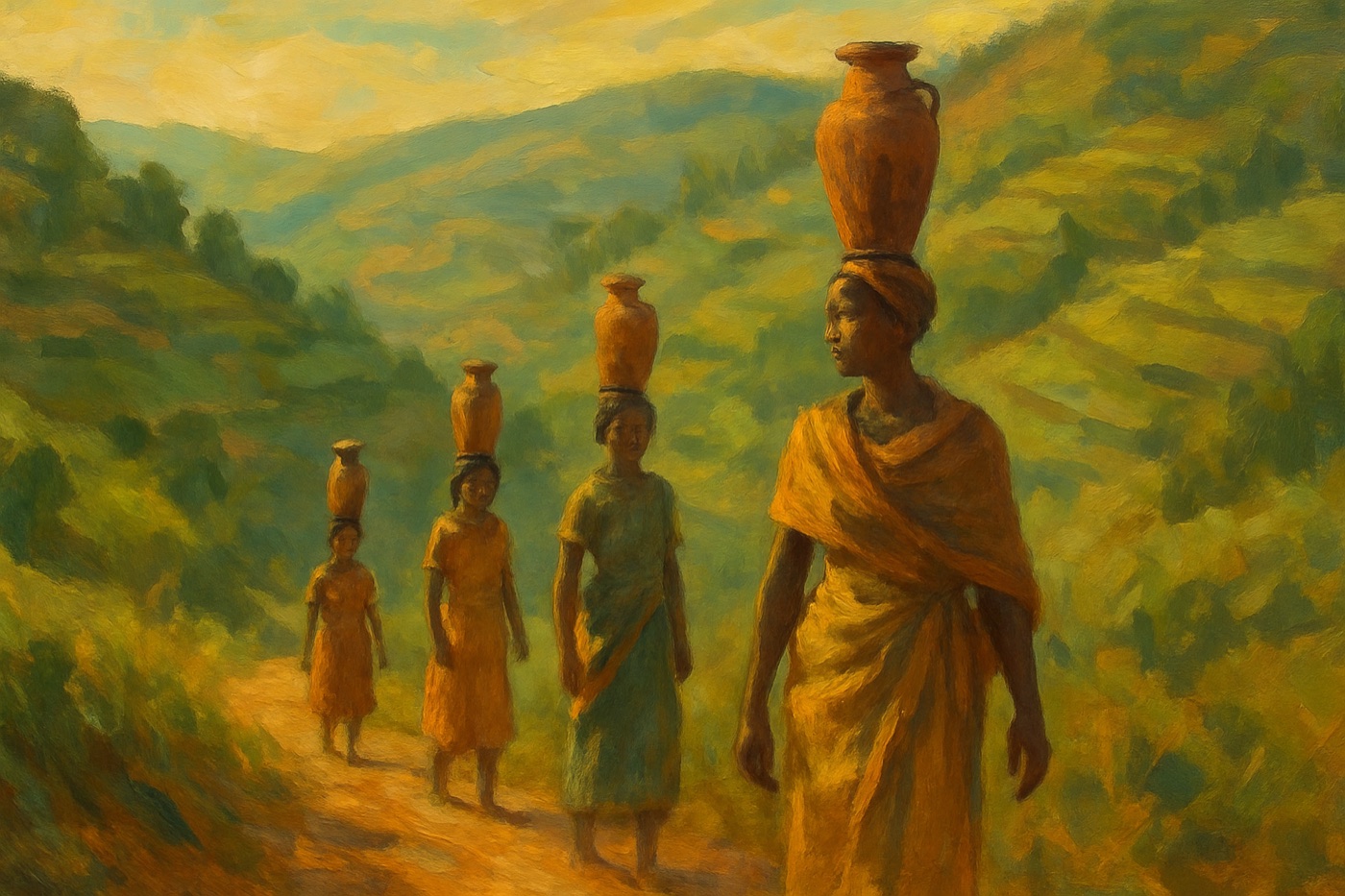
07:15 · Early morning
Down to the spring, and back up
There is no tap. Girls and women walk down to the valley spring with clay pots, sometimes an hour each way, and the walk back is the hard half because it is uphill and the pot is full. You will do this again before dark.
The day you just spent
Why does the walk to the spring matter beyond the water?
Scattered homesteads meant people did not naturally meet. The spring was the one place the whole neighbourhood passed through daily, so it did the job a village square does elsewhere.
Where your language sits
Afroasiatic
A family that runs from Morocco to the Horn.
├ Cushitic, Chadic, Berber, Egyptian
Semitic
Hebrew, Aramaic, Amharic, Tigrinya and Arabic.
Arabic
One written standard, and many spoken varieties.
Sudanese Arabic
The Arabic of the Nile valley to the north.
Juba Arabic
Arabic words, Nilotic structure, born in garrison towns in the 1800s.
What an average day looked like back in the 1880ss
Take a step in the shoes of the ones who walked before you. Immerse yourself as you learn how an average day played out: what people did to pass the time, what daily chores looked like, farming techniques passed down through generations.
Share your Roots Score
Always arguing about who's really the most Nigerian? There's a score for that now.
You are
83%+6
conversationally fluent in Shona
This week
Pinch or scroll to zoom
You are holding your own in Shona
Against learners aged 18 to 24 with heritage in the same region
Typical is the median of 128 adult learners of this course.
I'm ready to learn My Roots
Same account on both. Start here and pick it up on your phone, or go straight to the app.